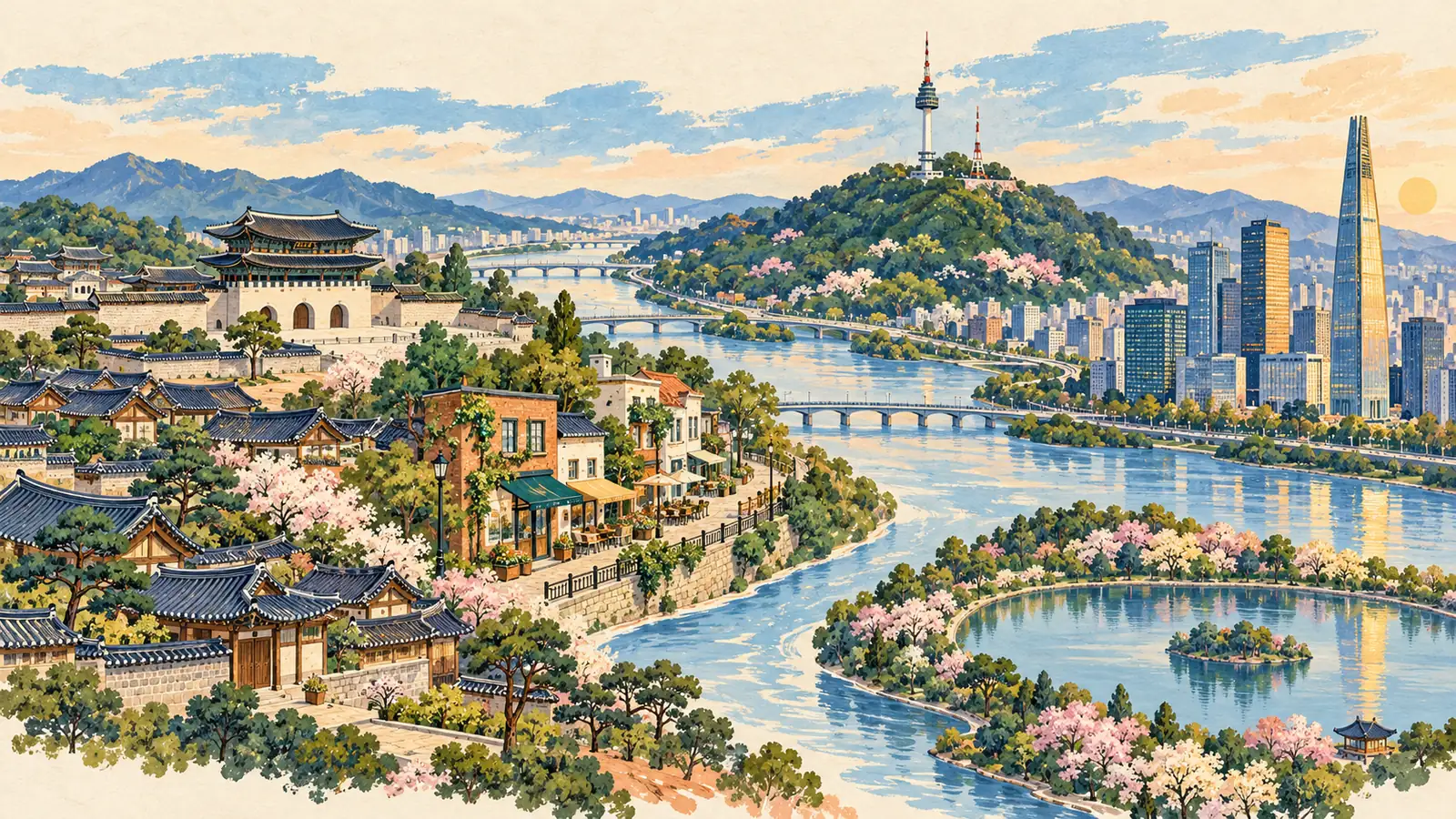
Old rooflines, one museum choice and a straightforward meal
1. Day 1: Jongno and Myeongdong
종로 · 명동Begin with Ikseon-dong or Insadong-scale streets, then choose one central museum or market rather than stacking every palace-area name. Myeongdong works for a noodle lunch or evening shopping, but it is a separate walk or transit leg, not the same lane district. Source: Visit Seoul: Myeongdong
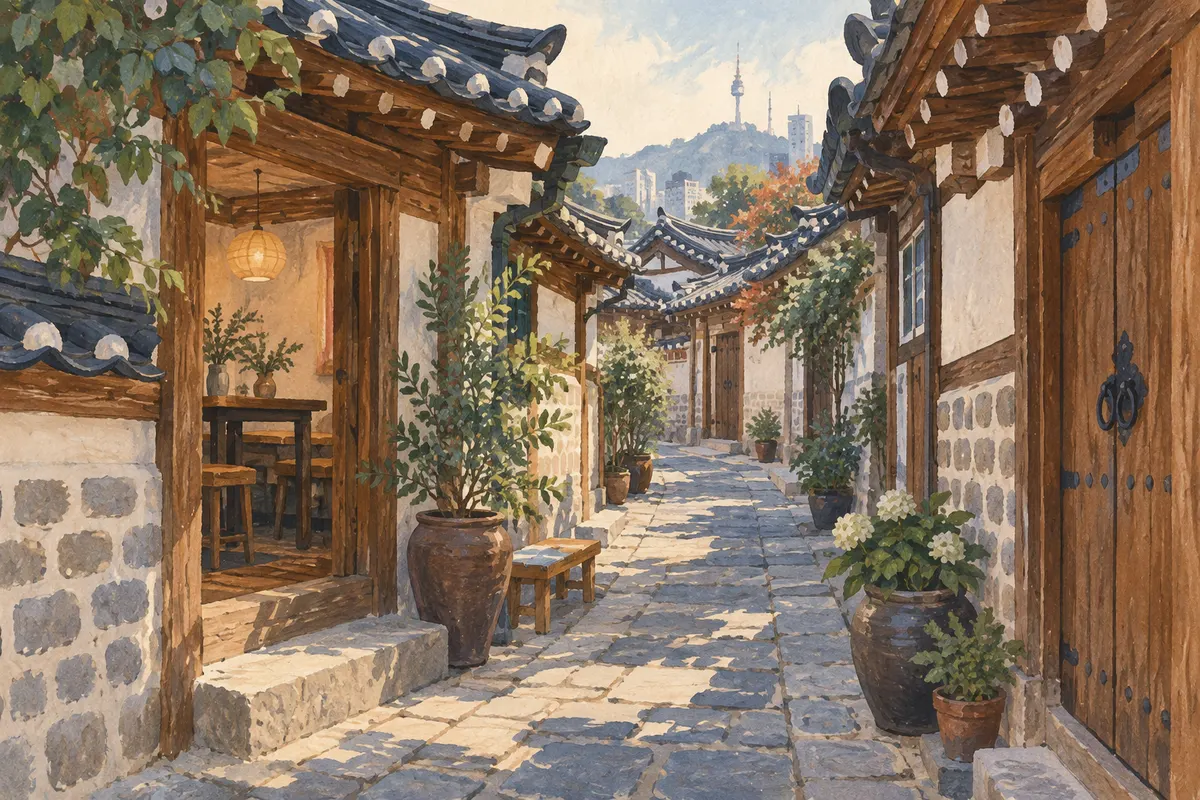
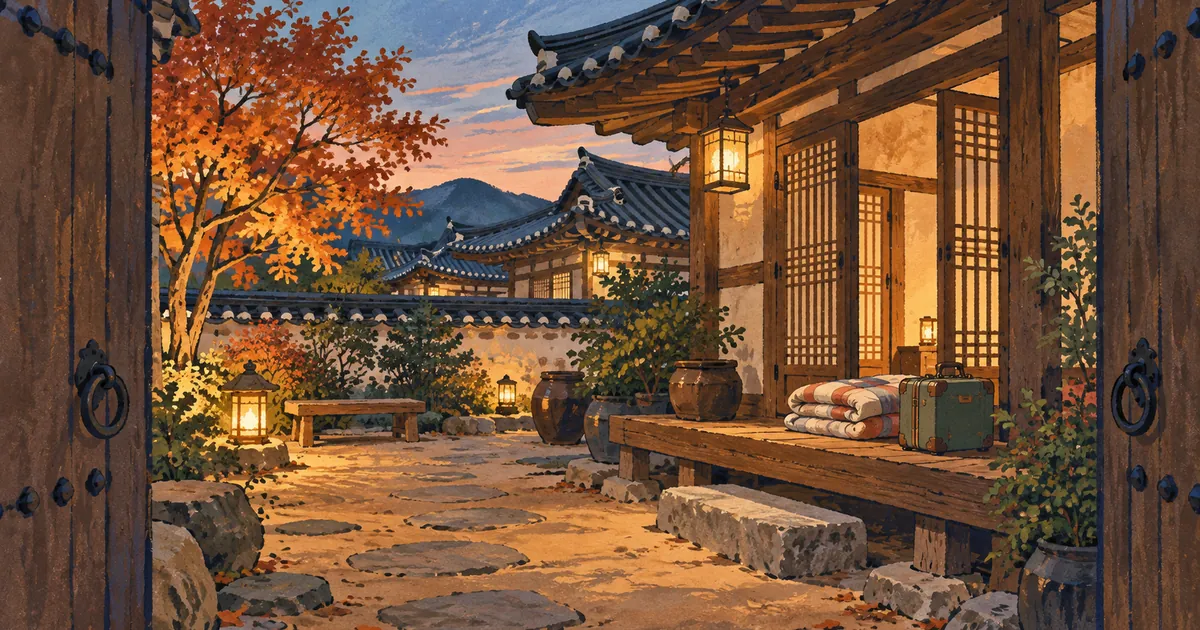
Hanok lanes in the old city. The first day should teach the scale of central Seoul. One old-city walk plus one indoor choice leaves room for jet lag and makes the contrast with later districts easier to read.
Check the palace, museum and market-stall schedules before fixing the day.
Choose the first entrance before landing: Ikseon-dong, a named museum or Myeongdong Station. If arrival day is short, keep the other half of this plan for the rainy-day swap instead of rushing both areas.
first-neighborhood comparison.
Source: Visit Seoul: Ikseon-dong Hanok Village.
Source: Visit Seoul: Gwangjang Market.
Street culture first, market food when you are ready
2. Day 2: Hongdae and Mangwon
홍대 · 망원Hongdae supplies the broad browse: shops, cafés and the possibility of street performance. Mangwon Market is a separate food stop, so decide whether the day is primarily shopping and wandering or a market meal, then route between exact entrances. Source: Visit Seoul: Hongdae
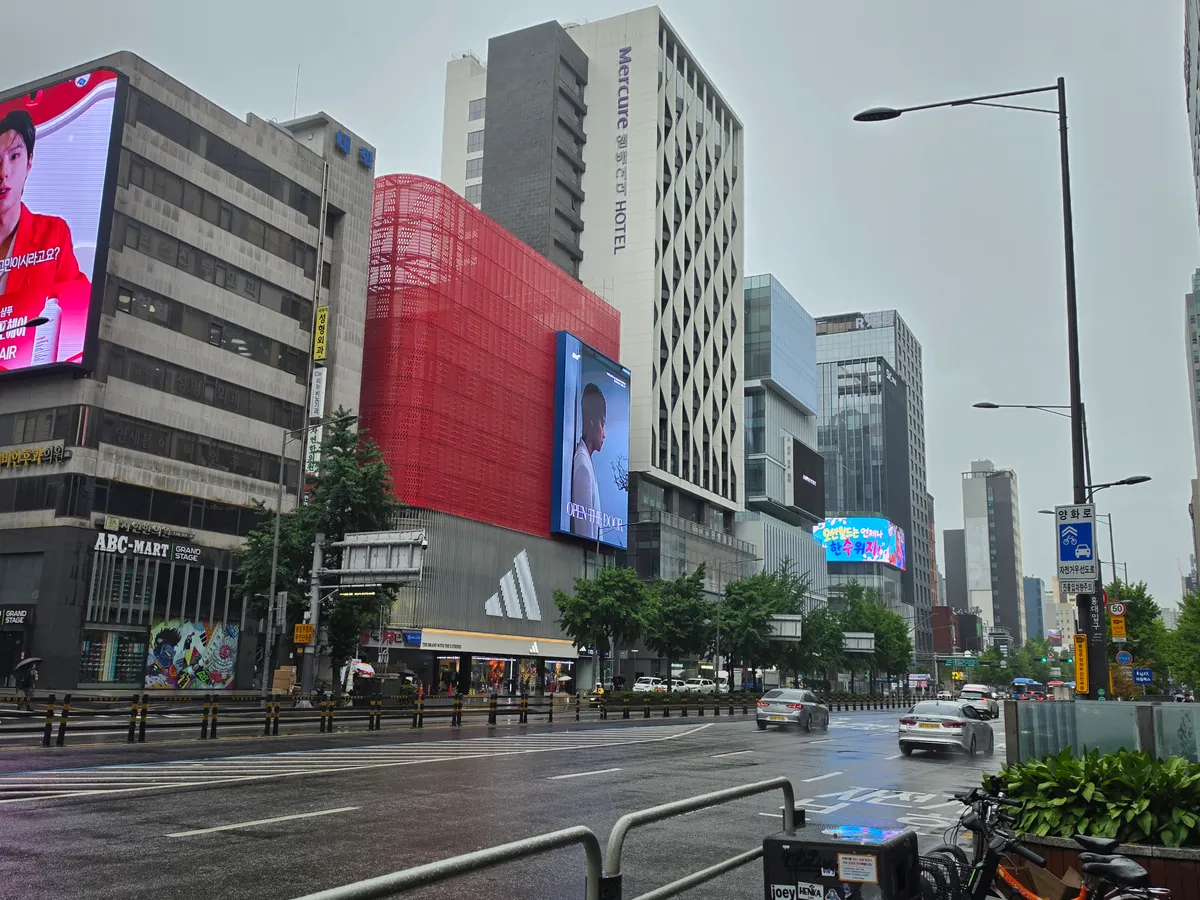
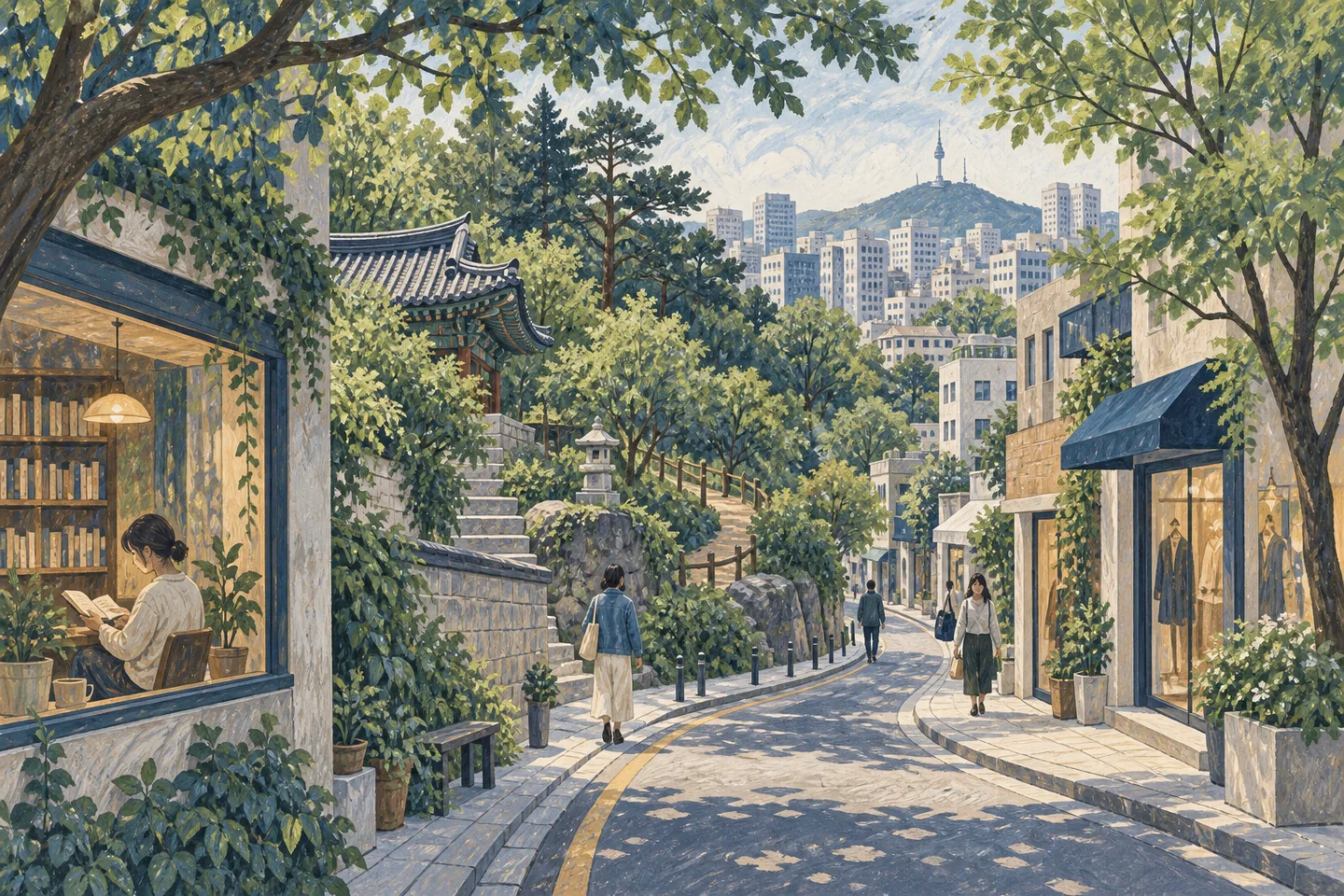
Hongdae's Yanghwa-ro streetscape, photographed on 20 June 2026.Photo: Hongdae Street 02.jpg — Qhairy / Wikimedia Commons · CC BY 4.0. Resized and converted to WebP. Both stops sit on the west side, leaving more time to browse and eat without a cross-city transfer.
Check any performance or market stall you want to visit. Evening noise and the walk from your accommodation depend on the exact block.
Start from Hongik University Station or a saved Hongdae shop, then decide whether Mangwon still fits. If food is the priority, reverse the order and arrive with a short list of snack types rather than one viral stall.
Source: Visit Seoul: Mangwon Market.
A substantial museum anchor with a flexible second half
3. Day 3: Yongsan and Itaewon
용산 · 이태원Make the National Museum of Korea the anchor and choose only a small set of galleries. Yongsan Family Park can follow if the weather is comfortable; Itaewon can be the evening rather than a compulsory afternoon transfer. Source: National Museum of Korea: visitor information
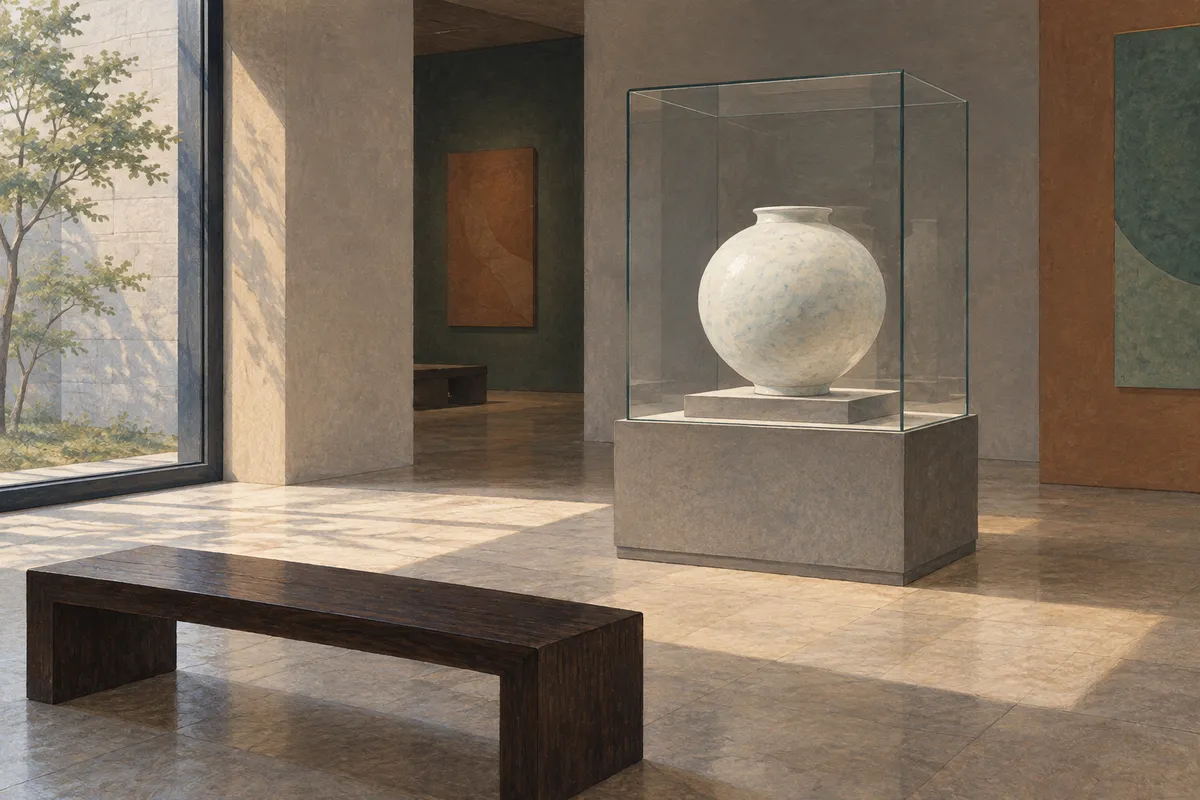
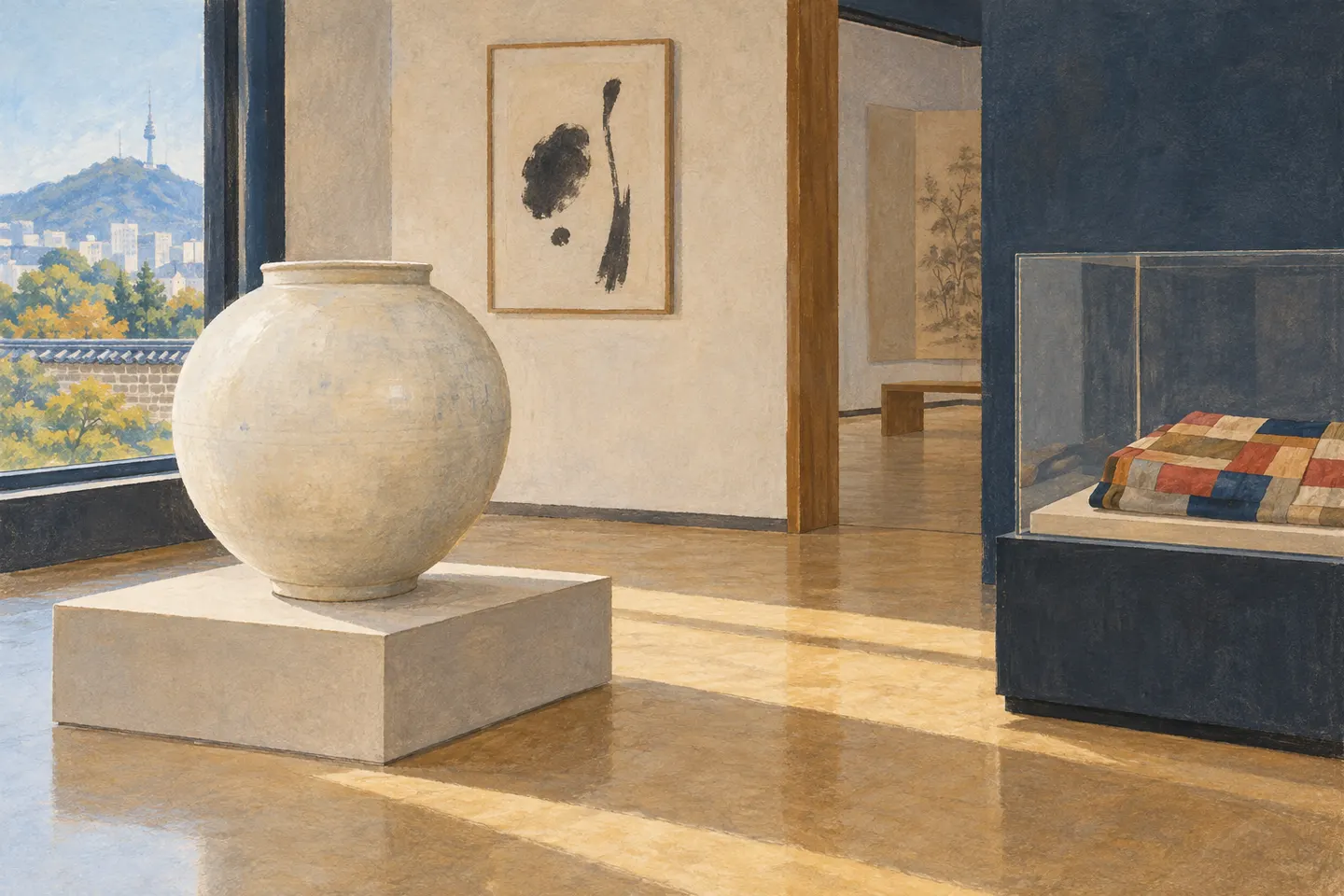
A museum visit. Leave enough time for the galleries before adding an evening stop.
The museum, park, Yongsan Station and Itaewon are distinct destinations. Temporary gallery closures and outdoor conditions can change what belongs in the day.
Check the museum notices, then save the next destination. In heavy rain, spend the afternoon indoors and leave the park for another day.
Yongsan museum, park and lunch note.
Source: Seoul Metropolitan Government: Yongsan Family Park in the parks directory.
Architecture, heritage and shopping on the south side
4. Day 4: Gangnam and Seocho
강남 · 서초Choose two anchors from the COEX and Bongeunsa pairing, Seonjeongneung, Garosu-gil or Maeheon Citizens' Forest. The sites answer different interests and are not one walk. A clinic or beauty appointment, if any, needs its own address and buffer rather than being folded casually between stops. Source: Visit Seoul: Bongeunsa Temple
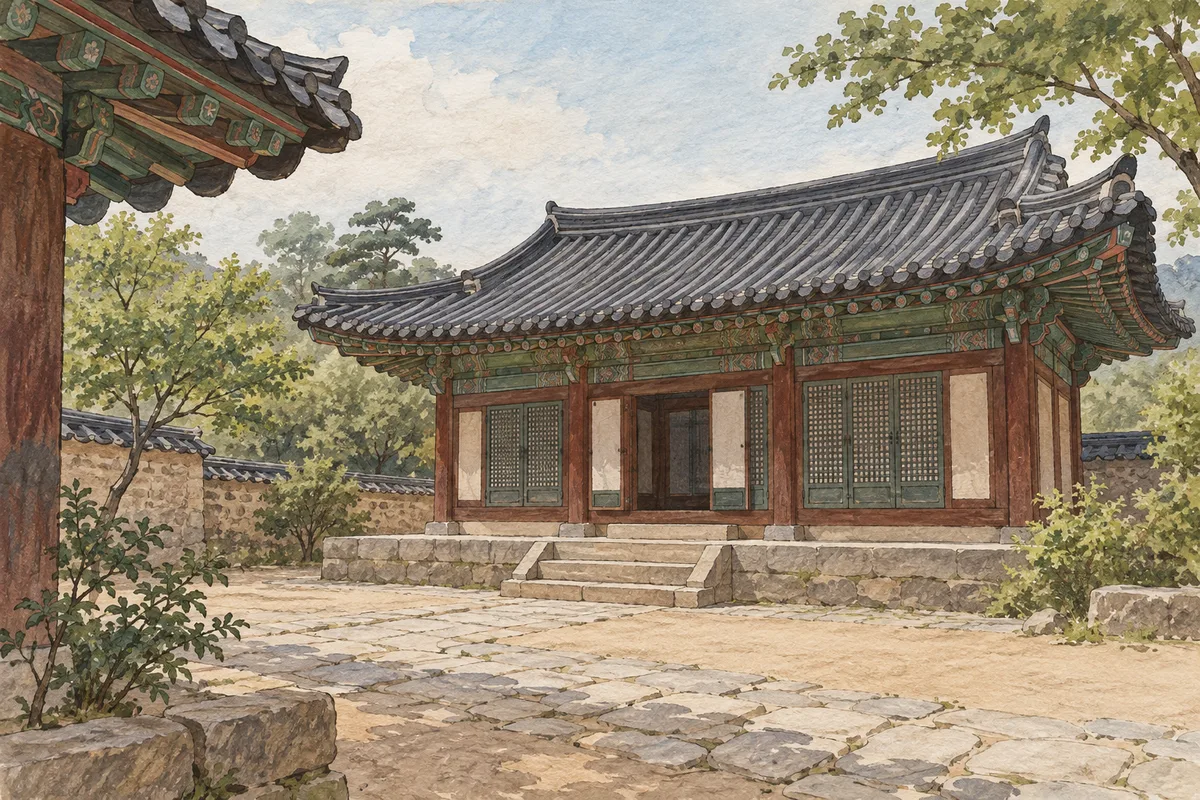
A temple courtyard. This day contains the broadest mix: reading space, temple, royal tombs, shopping streets and park. Limiting the day to two main choices keeps that variety from becoming a string of taxi rides.
Bongeunsa and COEX form a useful pair, but Sinsa, Seonjeongneung and Yangjae require separate connections.
Start with COEX and Bongeunsa if the mall and temple interest you. Keep Sinsa or Yangjae as a separate choice; save the exact entrance and check the next route after your first stop.
five-place Gangnam and Seocho comparison.
Source: Visit Seoul: Seonjeongneung.
A lake walk, an older landscape and one proper meal
5. Day 5: Jamsil and Songpa
잠실 · 송파Seokchon Lake gives the easiest visual anchor, while Mongchontoseong adds a different historical landscape and Songpa Naru supplies a sit-down meal. Choose by weather and energy rather than treating all three as a fixed circuit. Source: Visit Seoul: Seokchon Lake Park, updated 13 May 2026
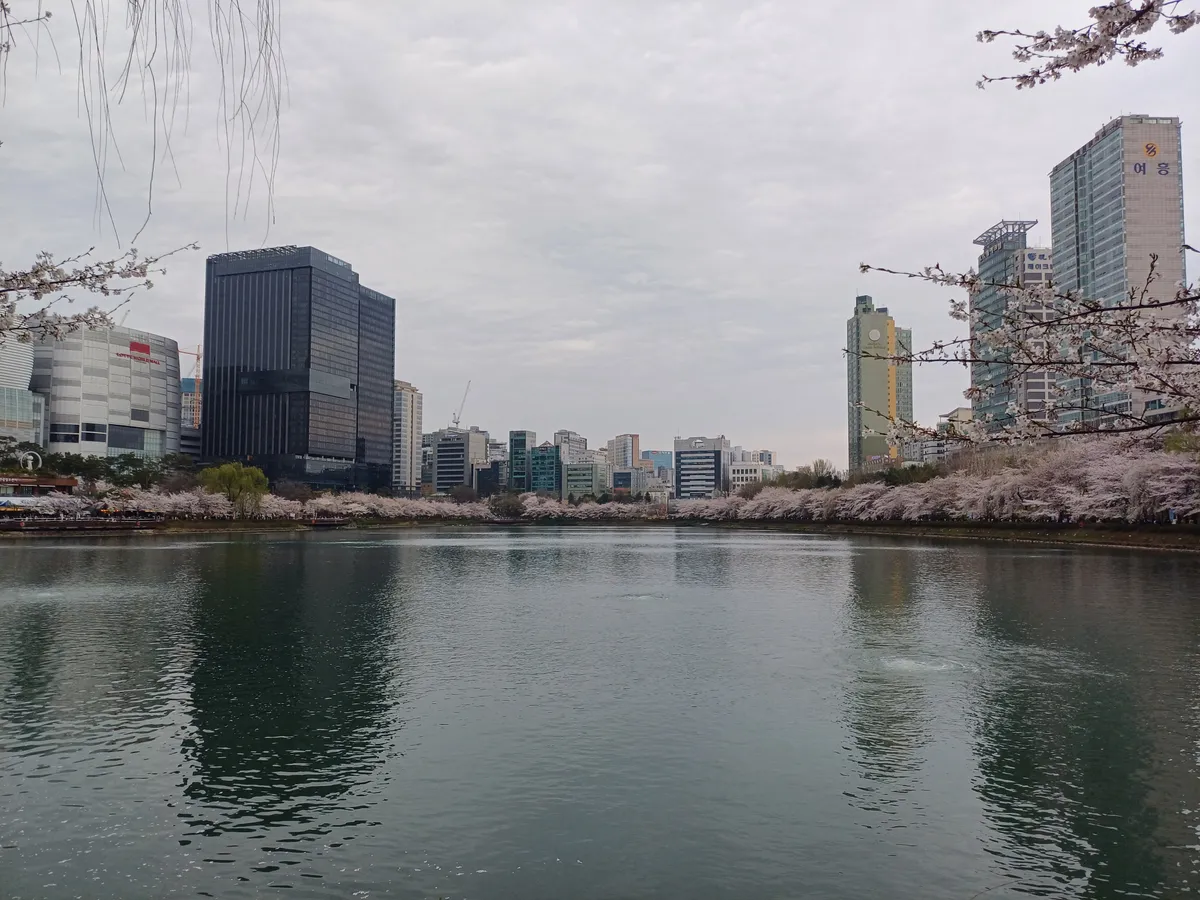
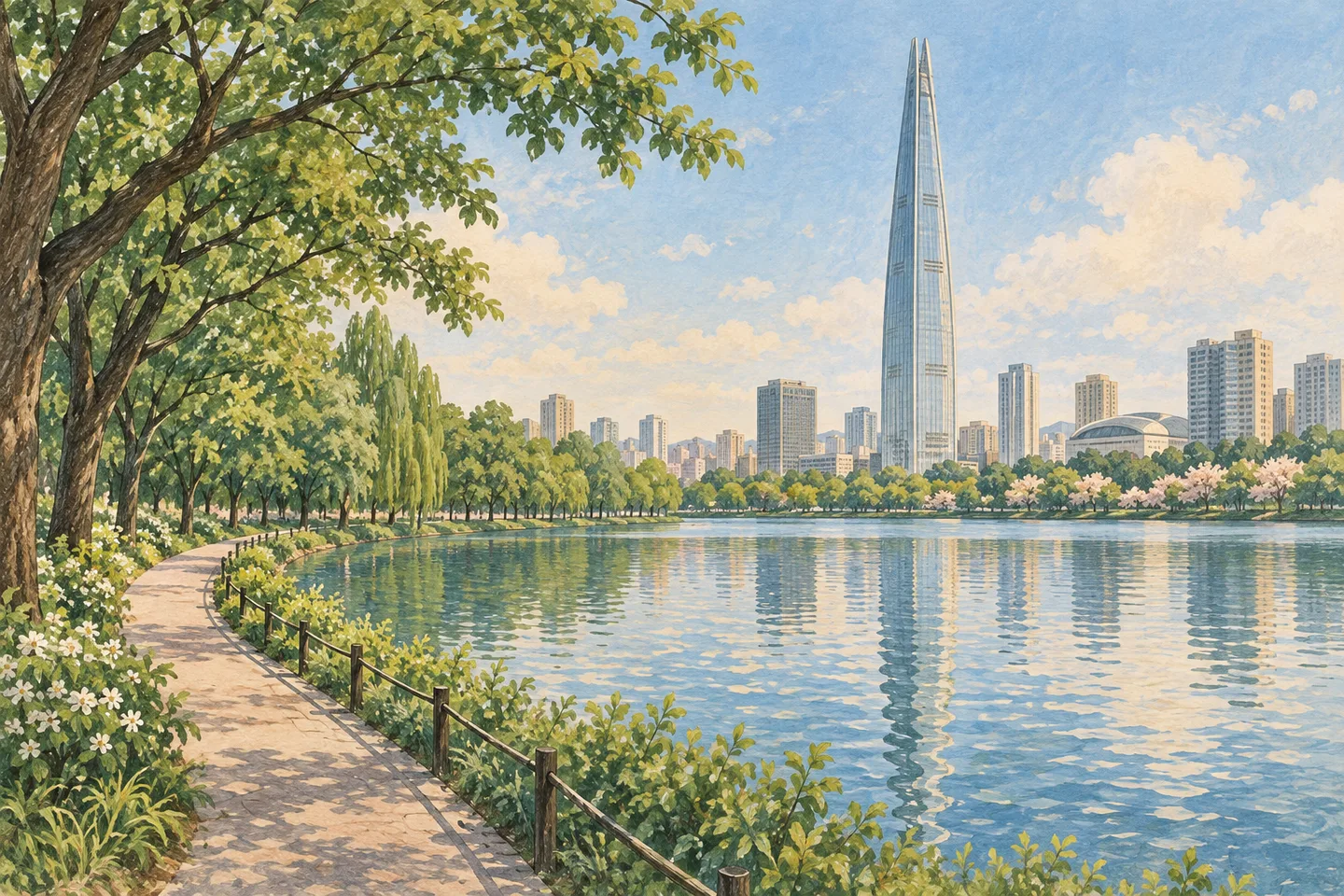
Seokchon Lake, photographed on 9 April 2025.Photo: 20250409 석촌호수공원 2 — Striker9498 / Wikimedia Commons · CC0 1.0. Resized and converted to WebP. An east-side day makes sense when Jamsil already appears in your accommodation, event or theme-park plans. It also gives the itinerary a slower outdoor finish after the museum and south-side days.
The fortress area and restaurant have separate entrances and operating information. Allow a separate day if you want to visit the theme park.
Start from your fixed commitment, if any, then choose either the lake or Mongchontoseong as the outdoor anchor. Keep the meal address saved in Korean and check its service hours the same day.
Jamsil and Songpa three-stop note.
Source: Visit Seoul: Mongchontoseong Fortress.
Source: Visit Seoul: Songpa Naru.
Before you go
Check closing days before assigning dates, especially for museums and heritage sites. Keep one anchor and one optional stop per half-day. Seoul neighborhoods are larger than their station labels, so save the exact entrance for each anchor and recalculate the next leg from there.
Sources & checks
Sources checked .
- Visit Seoul: MyeongdongOfficial tourism listing · Checked 2026-09-10
- Visit Seoul: Ikseon-dong Hanok VillageOfficial tourism guide · Checked 2026-10-24
- Visit Seoul: Gwangjang MarketOfficial tourism listing · Checked 2026-09-10
- Visit Seoul: HongdaeOfficial tourism guide · Checked 2026-09-10
- Visit Seoul: Mangwon MarketOfficial tourism listing · Checked 2026-09-10
- National Museum of Korea: visitor informationMuseum operator · Checked 2026-09-10
- Seoul Metropolitan Government: Yongsan Family Park in the parks directoryCity government guide · Checked 2026-09-14
- Visit Seoul: Bongeunsa TempleOfficial tourism listing · Checked 2026-09-10
- Visit Seoul: SeonjeongneungOfficial tourism listing · Checked 2026-09-10
- Visit Seoul: Seokchon Lake Park, updated 13 May 2026City government guide · Checked 2026-09-14
- Visit Seoul: Mongchontoseong FortressOfficial tourism listing · Checked 2026-10-24
- Visit Seoul: Songpa NaruOfficial tourism listing · Checked 2026-09-10